Reduce decisions
Prepared meals, groceries, a clear delivery time, and no need to host.
 Compassion NavigatorGuidance. Support. Hope.Free 15-Minute Conversation
Resource library

Read what you need. Save what helps. Share it with the person who wants to care but is afraid of getting it wrong.
New · Coping and moving forward
Explore practical tools for grief surges, guilt and “what if” thoughts, secondary losses, difficult dates, changing identity, daily routines, and moving forward without leaving love behind.
Open the coping toolkit
A quiet remembrance tool
Honoring the Time offers a private way to see the years, months, and days since someone you love died—without an account and without saving the name or date you enter.
Why every grief is different
Your experience deserves support that understands all three.
Learn how child loss, partner loss, parent loss, pregnancy loss, pet loss, traumatic death, anticipatory grief, and non-death loss can differ—and how support should differ too.
Explore ten types of griefStart with a guide
No inspiration posters. No pressure to heal on schedule. Just language, care, and next steps.
Five things to do when you do not know what to do.
Open the resource ↗
Real messages for the first days, quiet months, and difficult dates.
Open the resource ↗
Long-term, whole-family support after the death of a child.
Open the resource ↗
Questions that make room for the person behind the updates.
Open the resource ↗
Practical gifts and acts of care that do not create more work.
Open the resource ↗
A practical calendar of specific actions for today and the days ahead.
Open the resource ↗
Gentle reminders to check in on the days that may feel especially hard.
Open the resource ↗
Understand which familiar phrases can feel painful—and find kinder words to use instead.
Open the resource ↗
Simple ways to keep showing up when the first wave of support has ended.
Open the resource ↗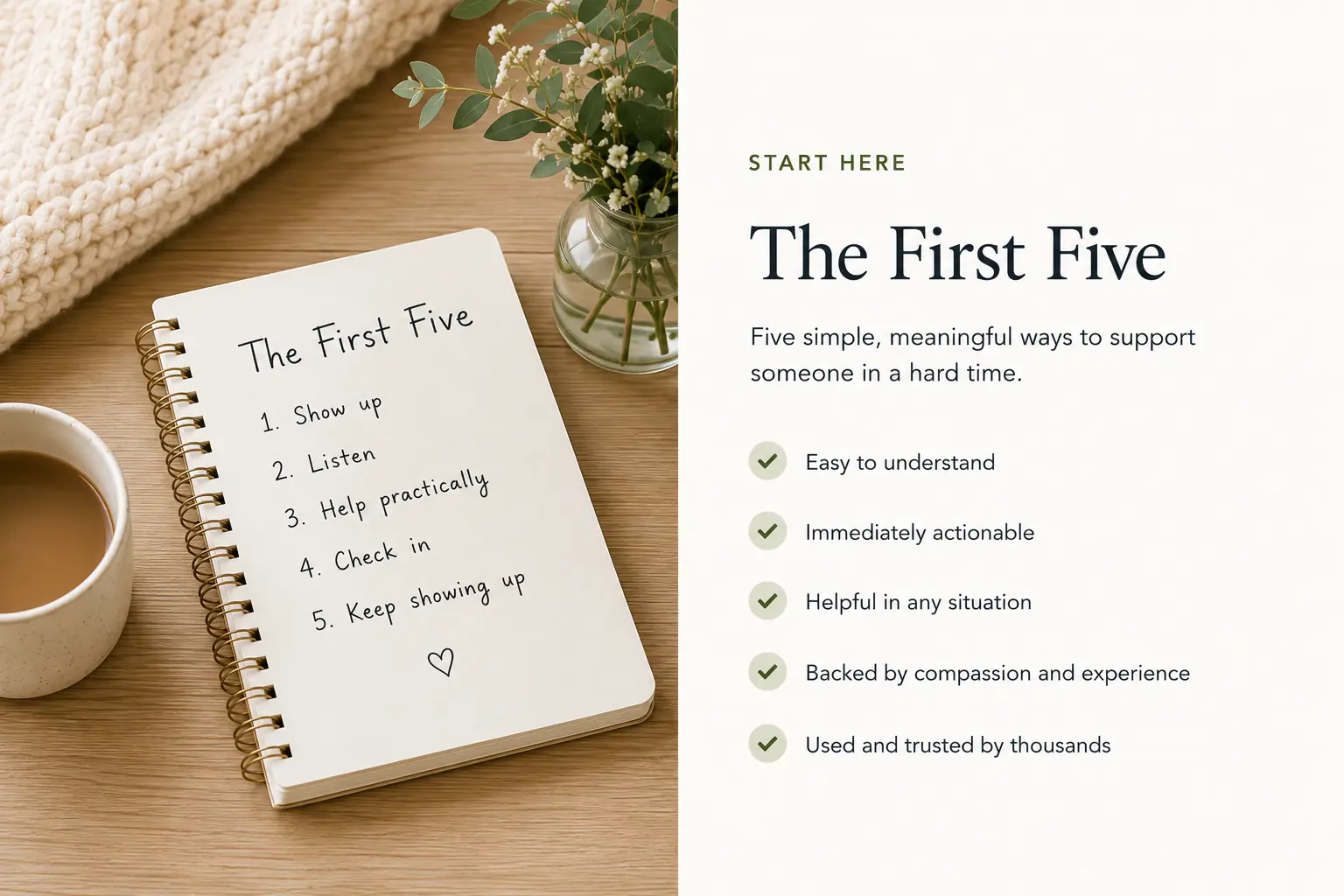
Your original Compassion Navigator work
Choose one short guide and take only the next step that feels manageable. Related support will be easy to find when you are ready for more.
Open The First FiveQuestions people ask when grief still feels close
Browse the archive
Plain-language help for the questions people ask in the middle of real grief.
Why remembering aloud matters—and what to say when you are unsure.
Simple ways to remember before a difficult day arrives.
Honest language, routines, school support, and room to still be a child.
Why grief changes focus, energy, appetite, decisions, and physical health.
How to return when the visitors, meals, and public attention have ended.
Steady, low-pressure care when grief and trauma arrive together.
Questions and practical relief for the person carrying the care.
Visits, useful items, home support, and ways to lower the family’s load.
Comfort and practical help that do not create another job.
Common phrases that hurt—and simpler words that make room for grief.
More than flowers
Match the offer to the person, the timing, the home, and the energy they actually have.
Prepared meals, groceries, a clear delivery time, and no need to host.
Pet care, lawn care, laundry, rides, school pickup, or a cleaning service.
Parking cards, gas cards, appointment notes, calls, paperwork, and calendars.
Photos, stories, voice recordings, recipes, handwriting, and meaningful dates.
Remembering important dates
Add birthdays, anniversaries, holidays, due dates, diagnosis dates, and ordinary reminders to check in. The goal is not a perfect message. It is making sure the person does not become invisible.
Prepare for grief anniversaries and difficult dates
Why Compassion Navigator exists
These resources were created to offer clear words, practical support, and a place to begin when grief, illness, caregiving, or a major life change makes everything feel harder to navigate.
Read why Compassion Navigator was createdThe Compassion Roundup
Join the interest list for weekly stories, practical tools, and compassionate guidance for hard moments, relationships, work, and emotional recovery.
No spam. Just one useful, carefully written email a week when the newsletter launches.How I help
Choose the kind of presence, practical help, or remembrance support that feels closest today.
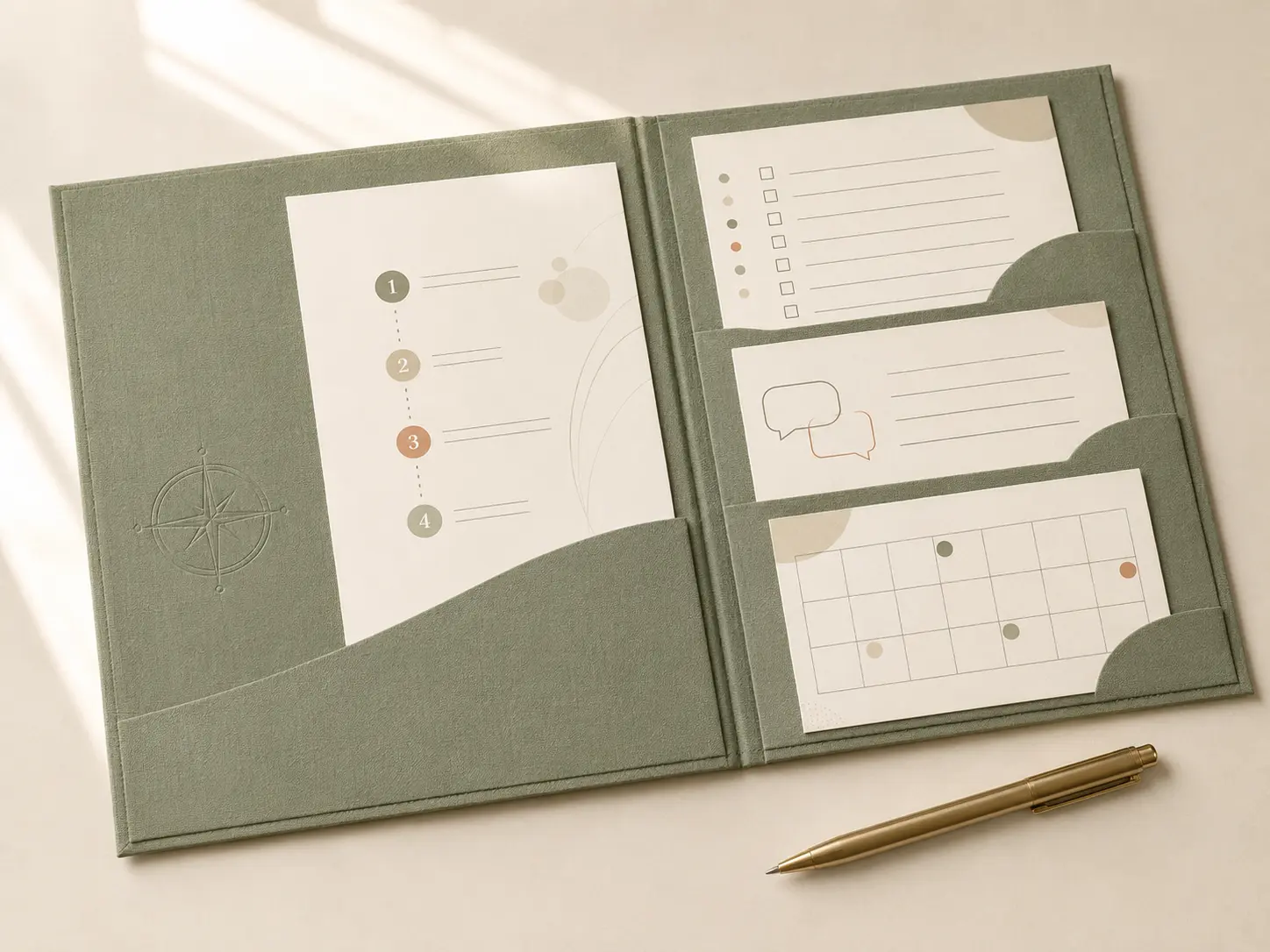 $39 Personalized GuideA practical written plan for one real grief-support situationSee the Grief GPS →Grief CompanionSupport for hard moments and disrupted daily lifeExplore Grief Companion Support →
 Gift ConsultationPersonal recommendations shaped around the person and lossExplore Gift Consultation →
 Legacy ConversationsRecord and preserve the stories of someone you loveExplore Legacy Conversations →