Your role may change overnight
You may become the only child, oldest child, youngest child, family organizer, or the person expected to care for grieving parents.
 Compassion NavigatorGuidance. Support. Hope.Free 15-Minute Conversation
Loss of a sibling
Specific support after a brother, sister, or sibling dies—including overlooked grief, changed family roles, surviving-parent concerns, and a shared history no one else remembers in quite the same way.
Start here
When a sibling dies, attention often centers on parents, a spouse, or children. The surviving sibling may become the communicator, organizer, steady one, or protector while their own grief is barely named.
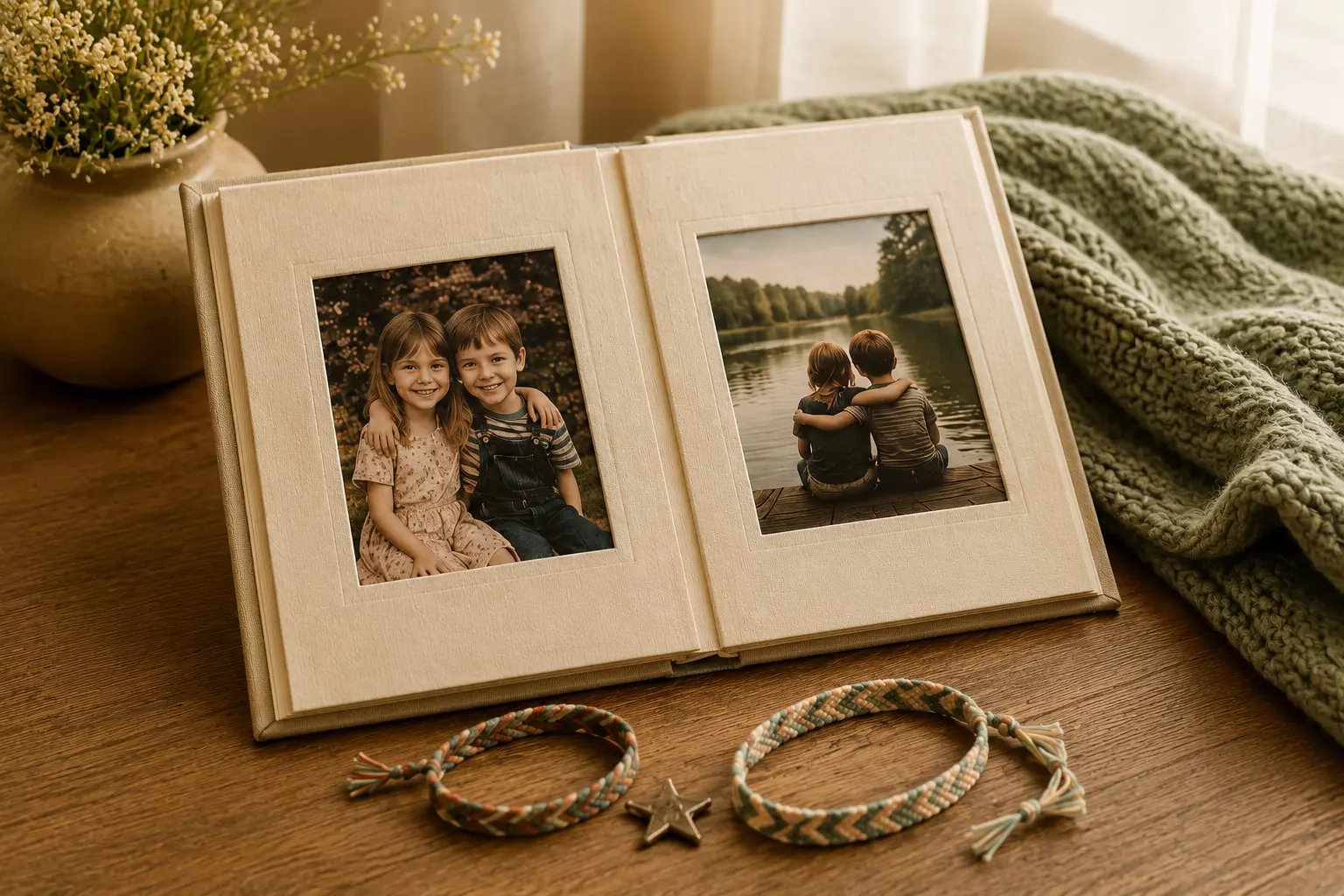
The relationship may contain shared childhood, rivalry, loyalty, estrangement, private language, family secrets, and the rare experience of remembering the same home from inside it. Their death can remove both a person and a witness to your earlier life.
I lost my sibling. I also lost the person who remembered the beginning with me.
You are not alone
The impact is often broader than other people realize.
You may become the only child, oldest child, youngest child, family organizer, or the person expected to care for grieving parents.
A sibling’s death can disturb assumptions about age, genetics, safety, and how much time remains.
People may compare accomplishments, health, parenting, closeness, or the way each sibling responded. Death does not erase rivalry or guilt.
Weddings, births, holidays, caregiving, and the deaths of parents may arrive without the person who was expected to stand beside you.
A surviving sibling is allowed to need care without first proving they were the closest person or the most visibly devastated.
Practical care
Choose one useful thing and do it reliably. Care is easier to receive when it does not create another decision.
Do not speak only about how the parents, spouse, or children are coping. Say, “How is this affecting you?”
Offer to make calls, coordinate meals, drive a parent, handle errands, or manage a task so the sibling can grieve too.
Make room for closeness, rivalry, estrangement, protection, resentment, and humor without forcing a sentimental version.
Photographs, stories, music, and familiar places can be meaningful. Ask before surprising someone with intense reminders.
Language such as “only child now” can be painful. Follow the person’s lead about how many siblings they have.
The sibling’s absence may intensify when parents age, estates are handled, or milestones expose the missing role again.
Words that help
Try saying
Leave unsaid
Care over time
Grief changes shape. The most memorable support is often the care that returns after everyone else assumes the hardest part is over.
First days
Offer care directly instead of assuming they are only coordinating support for parents or other relatives.
After services
Help with errands, parents, belongings, communication, and practical tasks after public support fades.
Family milestones
Birthdays, weddings, births, holidays, and caregiving decisions may highlight the sibling-shaped absence.
Later years
Welcome stories and photographs without requiring the relationship to be described as perfect.
A gentle truth
Loss does not operate as a ranking system. A parent, partner, child, and sibling may all be profoundly affected in different ways, and each deserves direct support.
If grief is accompanied by thoughts of self-harm, inability to stay safe, or a medical emergency, call or text 988 in the United States or contact emergency services.
Compassion Navigator’s licensed-counselor background informs this content, but reading this page does not create a counseling relationship. New, severe, persistent, or concerning symptoms deserve evaluation by an appropriate licensed professional.
Reference points: CDC grief guidance · American Psychiatric Association · National Child Traumatic Stress Network · Editorial standards
How I help
Choose the kind of presence, practical help, or remembrance support that feels closest today.
 $39 Personalized GuideA practical written plan for one real grief-support situationSee the Grief GPS →
 Grief CompanionSupport for hard moments and disrupted daily lifeExplore Grief Companion Support →
 Gift ConsultationPersonal recommendations shaped around the person and lossExplore Gift Consultation →
 Legacy ConversationsRecord and preserve the stories of someone you loveExplore Legacy Conversations →